








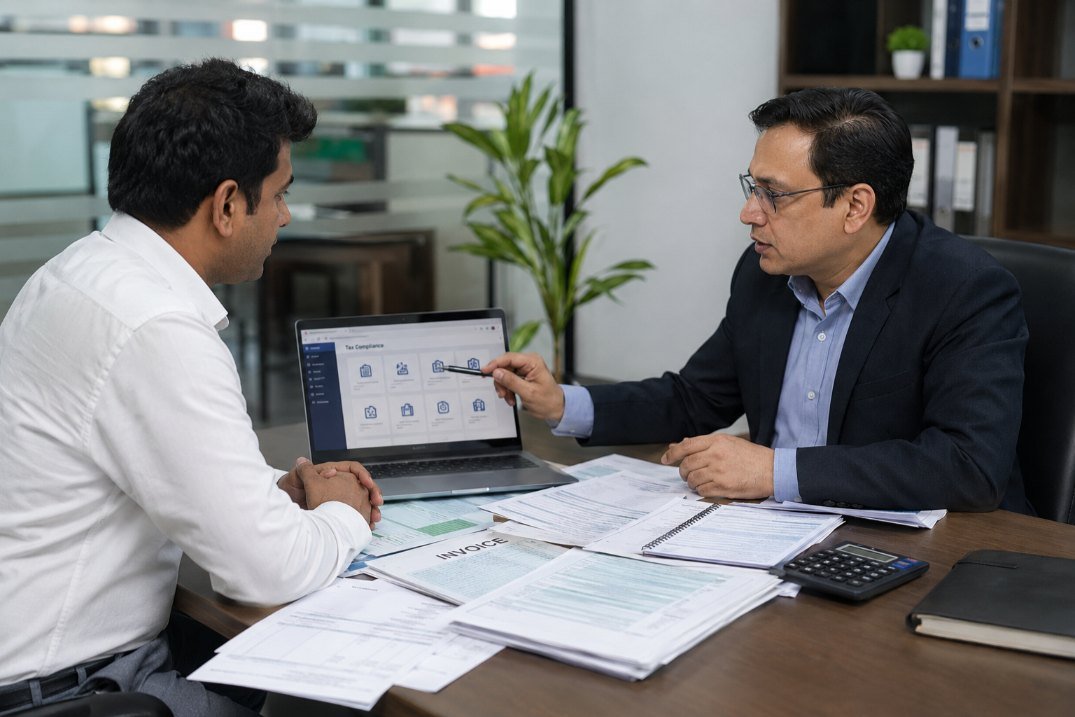

Managing TDS properly is an important responsibility for businesses, employers, professionals and other deductors who are required to comply with applicable tax provisions. Legoals provides TDS Filing Services in Palghar to help businesses organise their TDS information, review deduction records, reconcile challans and complete applicable TDS statement filing. Our process is designed to make recurring compliance more manageable while reducing avoidable errors and last-minute filing pressure. Whether you operate a startup, MSME, company, LLP, partnership firm, professional practice or proprietorship business in Palghar, professional TDS support can help you maintain more organised tax records and stay focused on your business.
TDS compliance involves more than simply submitting a quarterly statement. Businesses may need to identify applicable transactions, deduct tax correctly, deposit the deducted amount, maintain supporting records and report the information through the applicable TDS statement.
For businesses in Palghar, managing these responsibilities internally can become difficult when there are multiple employees, vendors, contractors, professionals or other payees involved.
At Legoals, our TDS Filing Services in Palghar are focused on creating a systematic compliance process. We help review the information provided, organise relevant records, identify potential inconsistencies, assist with reconciliation and prepare the applicable TDS filing.
The exact TDS requirement depends on the nature of the payment, recipient, applicable provisions and the relevant financial or tax period. Therefore, the applicable rules should be reviewed before each filing.
TDS is a recurring compliance responsibility. For a growing business, even small mistakes in data can create additional work later.
Tax Deducted at Source, commonly known as TDS, is a tax collection mechanism under which the person responsible for making certain specified payments deducts tax at source and deposits it with the government, subject to applicable provisions.
TDS filing involves reporting relevant deduction and payment information through the applicable statement or form.
TDS compliance may cover salary and various non-salary payments depending on the circumstances. The Income Tax Department’s current e-filing guidance provides different reporting mechanisms and forms depending on the nature of the TDS transaction.
We begin by understanding your business structure, payment categories, deductees and existing TDS compliance process.
This helps establish what information needs to be collected and reviewed.
Relevant TDS records are collected, which may include deductee details, payment information, deduction records, challans and previous filing information.
The information is reviewed for missing details, inconsistencies and potential mismatches.
Where an issue is identified, it can be discussed before the statement is finalised.
The applicable statement is prepared using the relevant information and reporting requirements for the particular transaction and period.

Companies with employees, contractors, professionals, vendors or other applicable payment arrangements may need regular TDS compliance.

Firms making applicable payments during their normal business operations can benefit from organised TDS reporting and reconciliation.

Consultancy and professional businesses may make payments that require TDS consideration. Proper documentation and classification can make recurring compliance easier.

Businesses making payments to several employees, professionals, contractors or other parties can benefit from systematic data collection and reconciliation.

Startups may quickly move from a few transactions to multiple employees, vendors and service providers. A structured TDS process can help them manage compliance as the business grows.

Proprietors with applicable TDS obligations can seek assistance with deduction information, challan records and statement filing.

Small and medium-sized businesses often have limited internal accounting resources. Professional TDS support can reduce the administrative burden associated with recurring compliance.

Businesses responsible for salary-related TDS can obtain professional assistance with employee information, deductions and applicable reporting.
Professional assistance with preparation and filing of applicable quarterly TDS statements.

Professional review helps identify common errors in deductee information, payment details and challan records before filing.

A structured compliance process makes it easier to monitor recurring TDS filing requirements and prepare information in advance.

TDS deductions, challans and reported transactions can be reviewed together to identify possible differences.

Business owners and internal teams can spend less time managing repetitive filing activities and more time on core business operations.

Properly maintained TDS records can make future reconciliation, verification and compliance reviews easier.

If a mistake is identified after filing, professional support can help assess the issue and determine the appropriate correction process.

Regular professional assistance can help businesses treat TDS as an ongoing responsibility rather than a last-minute task.

Businesses making multiple types of applicable payments can organise their TDS information according to the relevant reporting requirements.

Reviewing information before submission can reduce preventable errors involving amounts, PAN details, challans and transactions.

When TDS applicability or reporting requirements are unclear, professional review can help businesses understand what information needs to be considered.

The exact documents required depend on the nature of the business and transactions. Generally, the following information may be required:
TDS filing involves more than entering numbers into a form. Legoals focuses on understanding the underlying transaction and reporting requirements.
TDS Filing Services in Palghar involve professional assistance with TDS data review, statement preparation, reconciliation and filing for businesses and other applicable deductors.
Persons or entities responsible for deducting TDS under applicable provisions may have TDS reporting obligations. The exact requirement depends on the nature of the transaction and applicable tax provisions.
Regular TDS statements are generally filed quarterly, although TDS deduction and deposit obligations may arise during the quarter. These are separate compliance steps and should not be treated as having the same deadline.
Professional fees depend on factors such as transaction volume, number of deductees, type of TDS filing, number of statements and whether reconciliation or correction work is required. Legoals can assess the requirement before confirming the fee.
A TAN is generally required for regular TDS compliance, subject to applicable exceptions and specific filing mechanisms. The exact requirement should be checked based on the transaction involved.
Typically, information such as TAN, deductee PAN, payment details, TDS deduction details, challan information and previous filing records may be required.
Yes. If an error is found in a previously filed statement, Legoals can review the issue and assist with the applicable correction process.
An incorrect TDS statement may result in a mismatch or require correction. The appropriate action depends on the type and nature of the error.
TDS compliance is easier to manage when deduction details, deductee information, challans and filing records are maintained systematically.
If you are a business owner, startup, MSME, company, LLP, partnership firm, professional or employer in Palghar, getting your TDS requirements reviewed in advance can help reduce last-minute pressure and make recurring compliance more organised.
Instead of waiting until the filing deadline, start preparing your TDS records early. Legoals can help you understand the applicable requirements, organise the information and manage the filing process professionally.
© Copyright 2025 Legoals Consultancy LLP – All Rights Reserved.